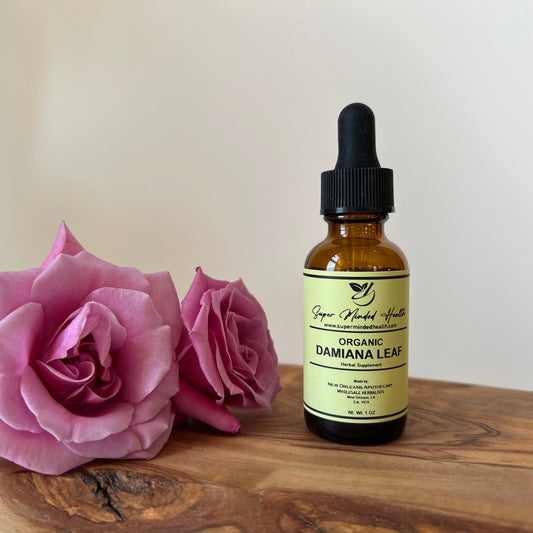
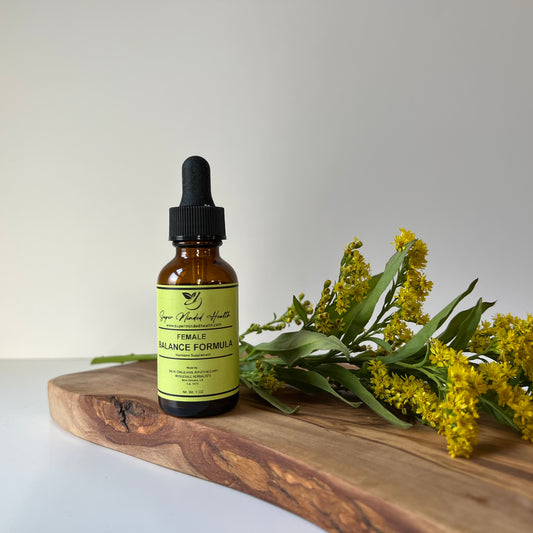
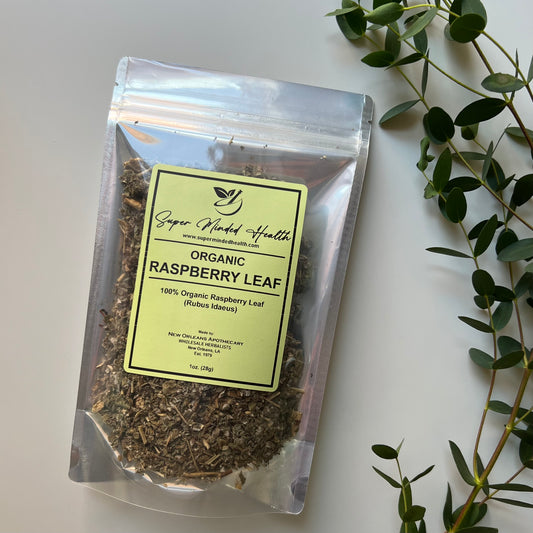
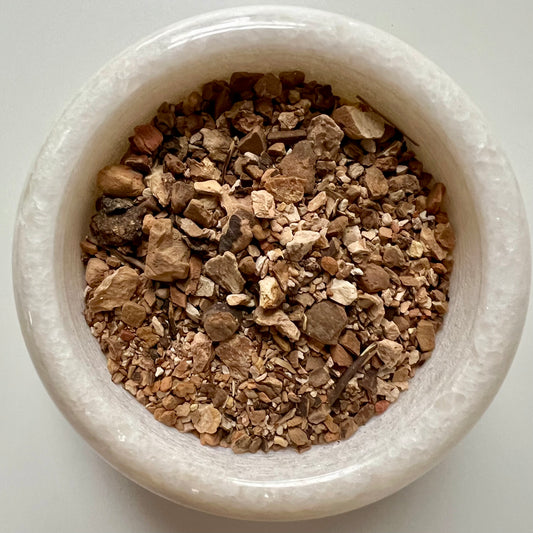
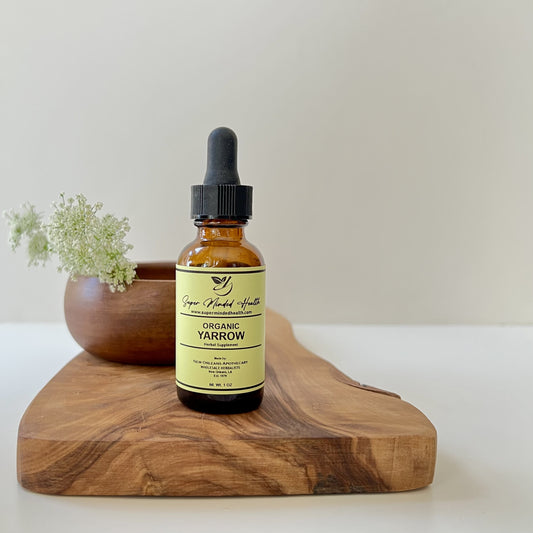
Herbs with a long tradition of use in women's wellness — from red raspberry leaf, long regarded as a premier uterine tonic, to dong quai, damiana, and our Female Balance and Female Vitality tincture formulas.
Uterine Tonics vs. Cycle & Vitality Herbs
This collection covers two different traditional roles. Red raspberry leaf is traditionally classified as a uterine tonic — used to gently tone and strengthen uterine tissue over time, rather than address any single symptom. Dong quai and damiana work differently, traditionally associated with supporting a comfortable monthly cycle and overall vitality. Our Female Balance and Female Vitality tinctures each lean into one side of this — worth checking which a formula is built around before choosing between them.
Where These Herbs Come From
Red raspberry leaf has one of the longest continuous traditional-use histories of any herb in women's wellness, valued across European folk practice for generations specifically for its toning action on uterine tissue — a slow, cumulative herb rather than a fast-acting one. Dong quai comes from Traditional Chinese Medicine, where it's sometimes called "female ginseng" and has been used for centuries as a foundational women's tonic, traditionally paired with other herbs rather than taken alone. Damiana has a different lineage entirely, originating in Central American folk tradition, where it built a reputation as a mood and libido-supportive herb long before it crossed into the broader herbal marketplace.
Why "Tonic" Herbs Work on a Different Timeline
Tonic herbs like red raspberry leaf aren't meant to be felt right away. Traditional practice treats them as cumulative — building an effect over weeks or months of consistent use, the way a nutrient-dense diet works over time rather than a single meal. That's a different traditional model than dong quai or damiana, which are more commonly used as-needed around specific points in the cycle. Neither timeline is "better" — they're just different tools, and it's worth choosing based on whether you're building toward something gradual or supporting something happening right now.
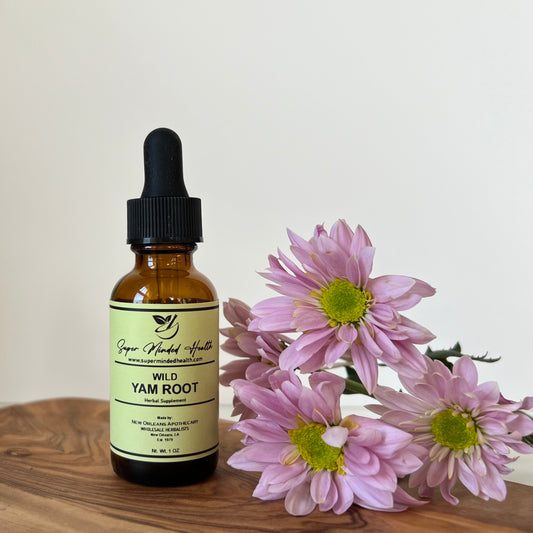
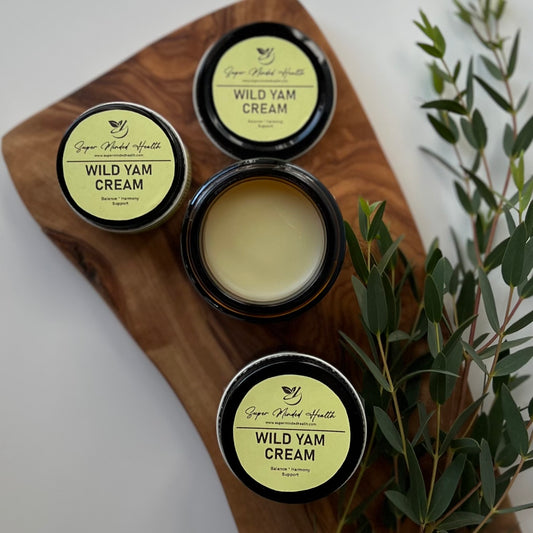
A note on Wild Yam: naturally occurring diosgenin in wild yam does not convert to progesterone in the human body — that conversion requires laboratory processing. We're always happy to walk through what wild yam can and can't do if you have questions.